Dental implants in Turkey vs France: cost, quality, recovery
 Written byDt. Berre Karaöz
 Medically reviewed byDt. İzzet İlker Aydoğan
In short
Both are valid options. For a single tooth or simple case where your French dentist's quote feels reasonable, staying in France makes life easier. For full-arch and complex cases the cost difference is large enough that two trips to Istanbul still come out well ahead — provided the planning is doctor-led and the follow-up is real. This guide is the side-by-side, without the marketing.
Key takeaways
- Single-tooth cases: the cost gap rarely justifies the travel — assess case by case
- Full-arch and complex cases: the cost gap is large enough that two trips still win
- Implant brands used in Turkey are often the same European-tier brands seen in French private practice
- The variable that actually matters is clinic quality on either side, not the country
If you're a patient in France weighing dental implants between staying local or flying to Istanbul, this is the comparison without the marketing on either side. We've planned cases for patients across France for years; some flew, some stayed, and the right call depends on case specifics that don't show up in a brochure. Here's the framework we'd actually use.
The short answer
For a single missing tooth where your French dentist's quote feels reasonable, the cost difference rarely justifies two flights and two hotel stays. For a full-arch case — All-on-4, All-on-6, full-mouth — the cost difference is large enough that even with travel costs, the Turkey package usually comes out well ahead. Anything in the middle is case-by-case.
| Turkey (İnci Diş) | France | |
|---|---|---|
| Single implant + crown | Package, materially below FR private rate | Higher end of the European private range |
| All-on-4 per arch | Package, significantly below FR private | Top tier of FR private pricing |
| Travel + 5–7 days × 2 trips | Adds flights + hotel | None / local commute |
| Reimbursement | Limited — most patients pay private | Partial Sécurité Sociale + mutuelle on basic acts |
Quality: the real comparison
The quality conversation around Turkey implants has been muddied by marketing on both sides. Here's the version that holds up to scrutiny.
Implant brands
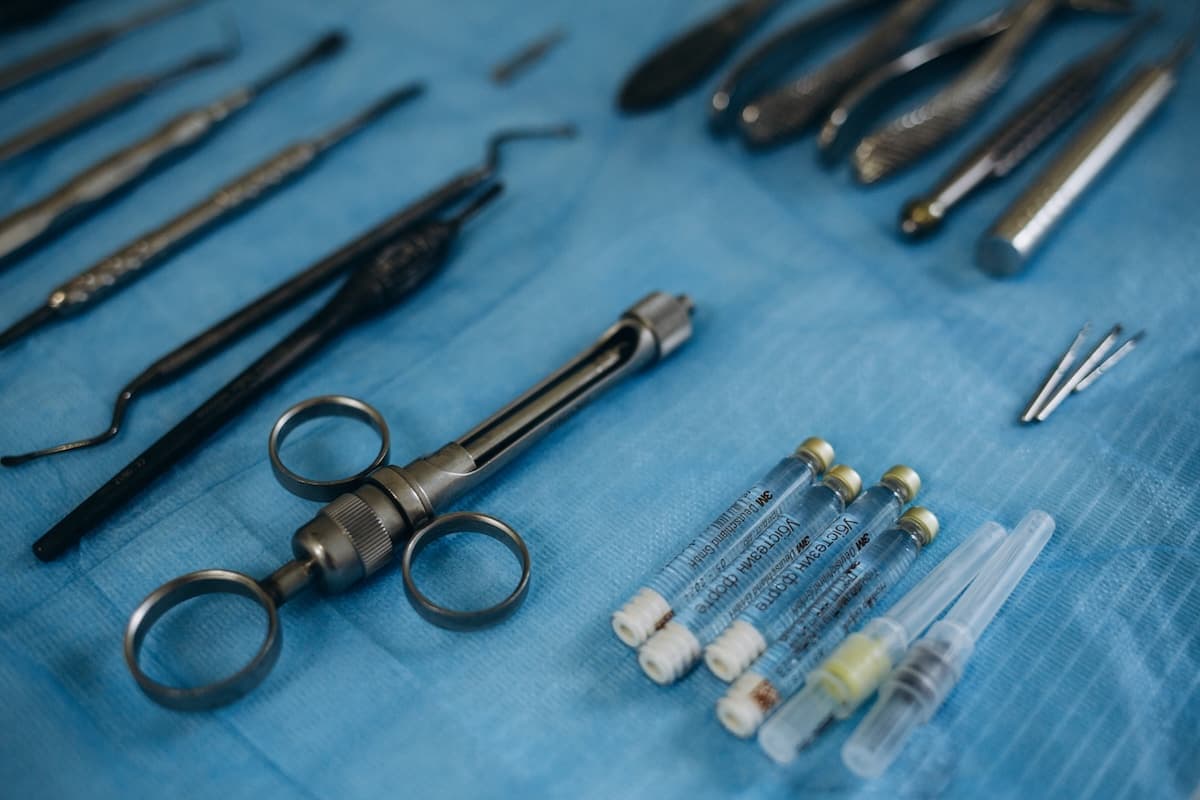
The implant brands used in serious Turkey clinics overlap heavily with what you'd see in French private practice — Swiss, German, and Korean systems with multi-decade clinical data. We stock the same systems a good French private clinic stocks. What differs between countries is overhead, not material.
Clinical protocols
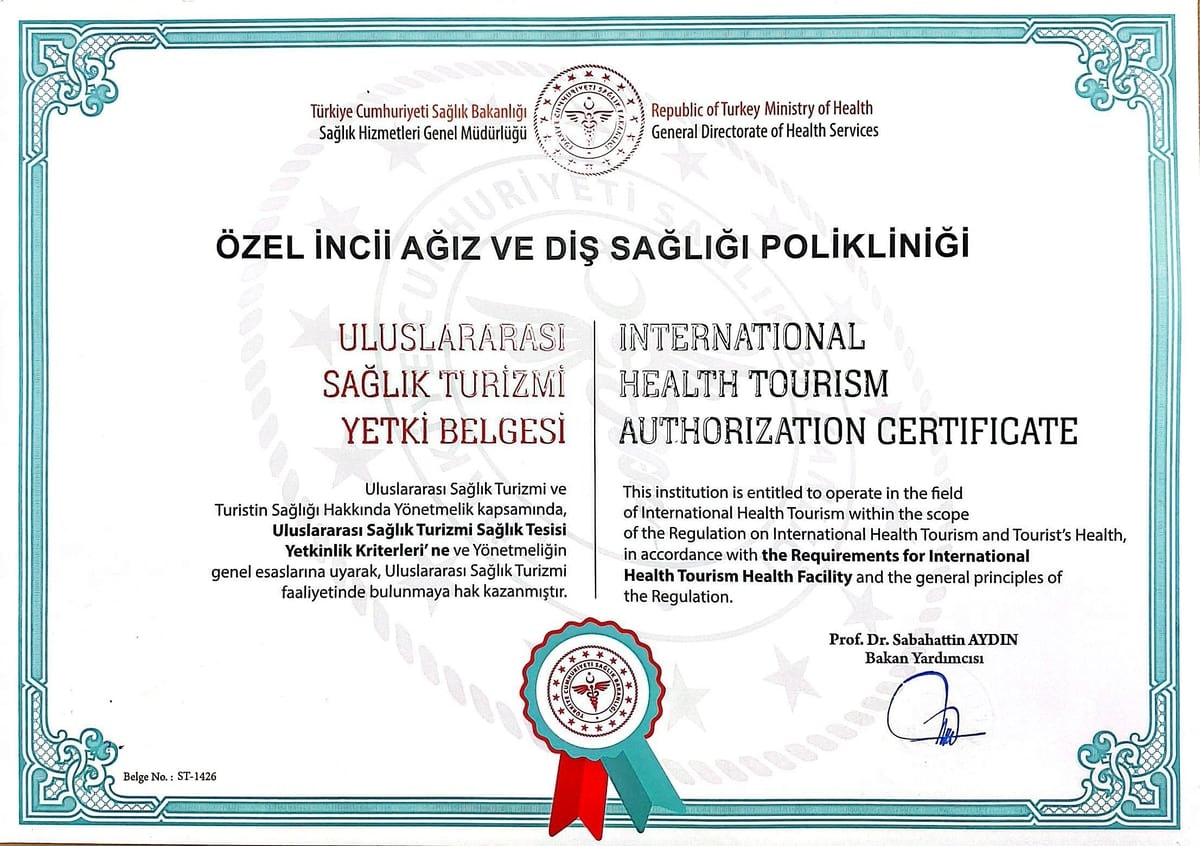
Sterilisation, infection control, surgical protocols — all the same standards apply, all auditable, all required for licensing. ISO 9001 and Health Türkiye accreditations are the local equivalent of the regulatory bar a French private clinic operates under.
Lab work
Crown and bridge fabrication is increasingly digital on both sides. The lab partners we use are photographed and quality-checked on every case, and the techs sit in the same building or a short distance away. The 'lab is behind the chair' setup means design decisions can be tested faster.
The honest answer to 'is the quality the same' is: clinic-by-clinic. There are excellent French clinics and excellent Turkey clinics, and there are weak ones in both countries. The country isn't the variable — the clinic is.
Dt. Berre KaraözDentistRecovery and follow-up across borders
This is where the practical differences are real and worth thinking through.
During active treatment
In France, you commute to your dentist. In Turkey, you fly. Each trip costs travel and time off work; the trade-off is concentrated treatment time without the back-and-forth of a French schedule (which often spreads across weeks of separate appointments).
After you fly home
This is what people worry about most and it's also the most over-stated worry. Annual review is by photo on WhatsApp. Hygiene visits happen with your local dentist — we provide the case summary and X-rays in French. If something needs in-person attention, photo review tells us what's appropriate; warranty terms cover the clinical work.
If something goes wrong
Most issues — sensitivity, minor adjustments, a chip on a temporary — are resolved by photo and remote advice. The cases that genuinely need a return trip are rare with good planning. When they happen, warranty terms are clear in writing before treatment, not invoked after.
Who this is actually for
- Patients quoted significantly above the French private average for a complex case
- Patients with full-arch needs (All-on-4, All-on-6, full-mouth)
- Patients comfortable with two short trips and remote follow-up between
- Patients who value being told 'no' when something isn't appropriate — the planning conversation runs both ways
Who should probably stay in France
- Single-tooth cases where your French quote is within local market range
- Patients with significant medical complexity that benefits from local follow-up
- Anyone who genuinely can't take time off for two trips
- Patients who don't want the responsibility of cross-border coordination, however well it works
Frequently asked questions
Most do. We provide a treatment summary in French, X-rays, and direct contact with our team for clinical questions. We've coordinated with practices across France for years.
Often, yes. Swiss, German, and Korean implant systems are widely used in both countries. The difference is operating cost, not the screw. Your written quote names the brand being used.
Photo-review first; in-person work is rare. When it's needed and warranty applies, we cover the clinical side. Travel costs for warranty trips are typically yours.
Doctor-led planning before booking, clear written quotes (not just price tags), warranty terms in writing, named implant brand on the quote, ISO 9001 / Health Türkiye accreditation. These are the practical filters.
Some mutuelles do provide partial reimbursement for treatment abroad if you submit the right documentation — invoices, treatment summary, certified translation. We provide what's needed; the mutuelle's policy varies.
For most implant cases, yes. The two-trip pattern follows the natural healing rhythm — surgery, then crown after integration. Forcing it into one trip isn't usually safer or cheaper.
Most 'emergencies' on photo review turn out not to be — sensitivity, gum tenderness, that sort of thing. For genuine emergencies (rare with implants) we coordinate with a local dentist for immediate care.

Summarise this article with AI
Open the article in your AI assistant for a quick summary, or to ask your own follow-up questions.
Let Us Contact You
Discover the best version of yourself with personalized aesthetic solutions. Feel confident and comfortable in your own skin with our expert team and advanced treatments.

Get A Free Consultation
Read our Blog