



What Is a Digital Dental Impression in Dental Treatment?
With advancements in dental technology, traditional treatment methods are increasingly being replaced by digital procedures that offer greater comfort, precision, and speed. Digital dental impression-taking—one of these innovations is a modern method that enables the three-dimensional scanning of teeth and intraoral tissues. Widely used in cosmetic dentistry, implant treatments, crown and veneer procedures, and orthodontics, this technology aims to enhance patient comfort while making the treatment process more efficient.
Digital dental impression-taking involves the optical scanning of teeth, gums, and relevant intraoral areas using a specialized intraoral scanner to create a three-dimensional model within a computer environment.
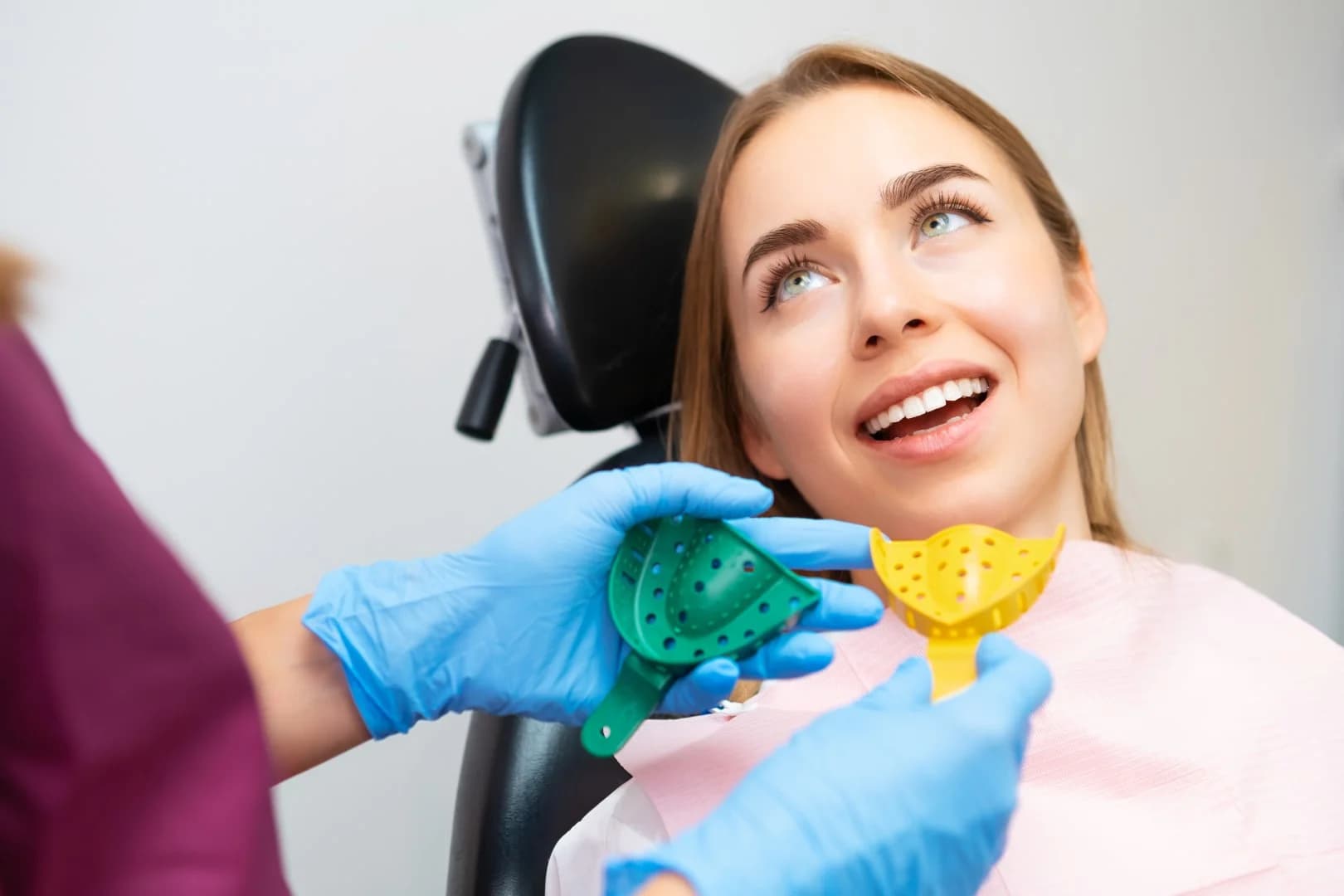
In traditional impression methods, a special impression material is applied to an impression tray placed inside the mouth. This material captures the shape of the teeth and surrounding tissues; once hardened, it is removed from the mouth to yield a physical impression. In contrast, digital impression-taking utilizes an intraoral scanner to perform this process. Images captured by the scanner are stitched together using specialized software to generate a digital model of the oral structure. This model assists the dentist in treatment planning and allows for the digital design of dental prostheses or other dental appliances when necessary. The resulting digital data can be electronically transmitted to dental laboratories via compatible systems.
How Is a Digital Dental Impression Taken?
Taking a digital impression is generally a relatively quick procedure that prioritises patient comfort. The process involves the following steps:
Assessment of the mouth: The dentist first assesses the patient’s oral and dental health. The teeth, gums, and areas requiring treatment are examined. Where necessary, the tooth surfaces are cleaned and prepared for scanning.
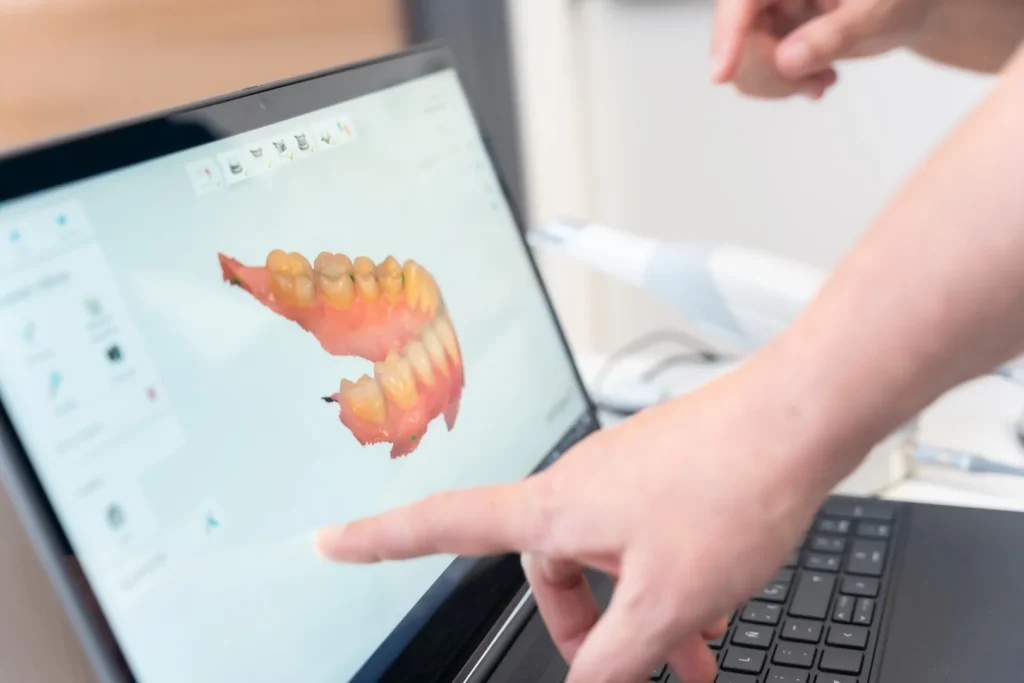
Digital scanning of the teeth: The small, camera-like tip of the intraoral scanner is moved carefully over and around the teeth. The scanner converts optical data captured from the tooth surfaces into digital images. This process eliminates the need to place traditional impression materials inside the mouth.
Creation of a three-dimensional model: The images captured during scanning are combined in computer software to create a three-dimensional model of the teeth and surrounding tissues. The dentist can examine this model on screen and rescan any areas considered necessary.
Checking the digital impression: The resulting model is assessed to ensure that it captures the details required for treatment. Any areas with incomplete scans or insufficient image quality can be rescanned. Accurately recording the prepared tooth margins is particularly important for restorations such as crowns and bridges.
Sending the digital data to the laboratory: Depending on the treatment plan and the system used, the impression data can be sent to a dental laboratory. The laboratory can use this data to design and manufacture crowns, bridges, implant-supported prostheses, or other dental restorations.
What Are the Advantages of Digital Dental Impressions?
Digital impression technology offers several advantages for patients and dentists compared with traditional impression-taking methods. These include:
A more comfortable impression-taking experience: The trays and impression materials used in traditional procedures may cause gagging, nausea, or discomfort in some patients. Since digital impressions do not require these materials, they may provide a more comfortable experience, particularly for patients with a pronounced gag reflex.
Faster impression taking: Under suitable conditions, intraoral scanning can be completed in a short time. This eliminates steps such as preparing traditional impression materials, placing them in the mouth, and waiting for them to set. However, the overall treatment time varies depending on the type of procedure.
Detailed three-dimensional imaging: Digital scanning produces a three-dimensional model of the teeth and surrounding tissues. The dentist can examine this model from different angles to plan treatment in greater detail. Image quality is affected by factors such as the device used, the scanning technique, and conditions inside the mouth.
Early identification of errors: Images captured during scanning can be viewed on screen in real time. If an area has been recorded incompletely or inadequately, it can be rescanned. This allows the impression to be checked before the process is completed.
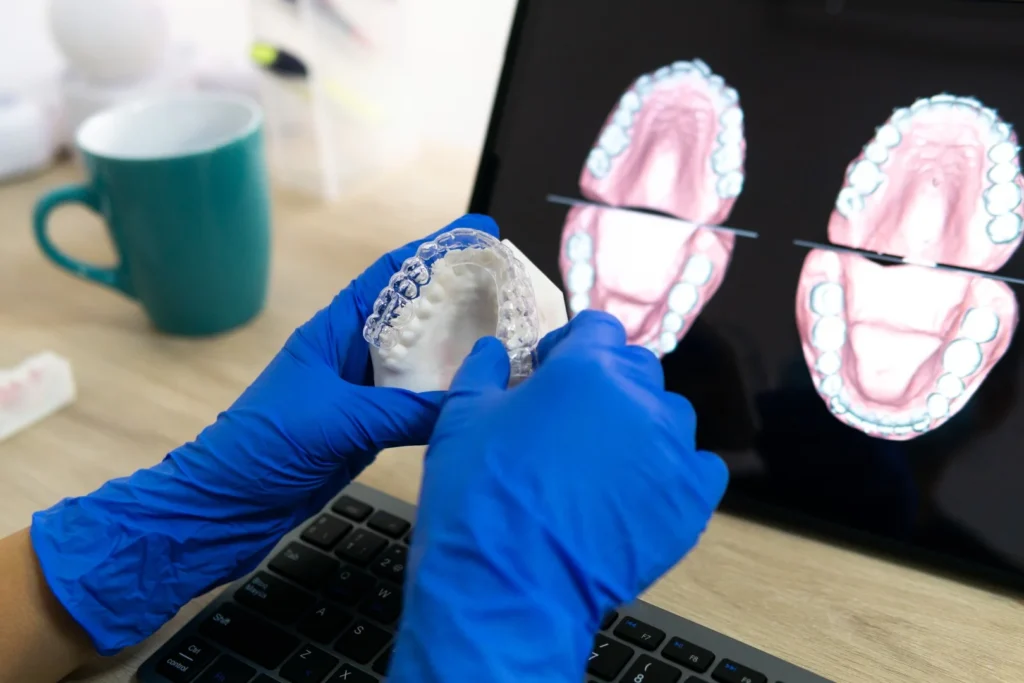
Compatibility with digital laboratory workflows: Digital impression files can be transferred to compatible design and manufacturing systems. This may allow restorations to be produced using computer-aided design and manufacturing processes. This digital workflow can make data transfer between the clinic and the laboratory easier.
Storage of digital records: Digital impressions can be stored electronically when appropriate data management and patient privacy requirements are met. These records may help compare new scans with previous ones or assess the progress of treatment when needed.
Visual support for treatment planning: The digital model can be used to explain the patient’s existing dental structures and certain aspects of the planned procedure visually. Particularly in cosmetic dentistry and orthodontics, digital images can make treatment options easier to understand.
Which Treatments Use Digital Dental Impressions?
Digital impressions are a versatile technology used in various areas of dentistry. Their suitability for a particular procedure depends on the treatment requirements and clinical conditions.
Zirconia and porcelain crowns and bridges: When preparing crowns and bridges, the shape of the teeth, their relationship with neighbouring teeth, and the bite must be assessed accurately. Digital impressions can help record this information and support restoration design.
Implant treatments: Digital impression systems can be used to prepare implant-supported crowns and bridges. With suitable scanning components, the positions of implants inside the mouth can be recorded digitally. The implant positions, soft tissues, and treatment-specific technical requirements are taken into account during this process.
Orthodontic treatments: In clear aligner treatment, a digital model of the teeth in their current positions can be used for treatment planning and aligner manufacturing. In some orthodontic procedures, tooth movement over time can be compared using digital records.
Cosmetic dentistry: In smile design and aesthetic restoration planning, digital impressions can help assess the existing shapes of the teeth and digitally design the planned restorations. However, facial photographs, bite records, and other clinical data may also be required.
Inlay and onlay restorations: Digital impressions can be used for inlay and onlay restorations, which repair specific parts of a tooth without covering it entirely. The resulting data helps design the restoration to fit the tooth accurately.
Removable and fixed dental prostheses: Digital impressions can be used in some fixed and removable prosthetic treatments. However, additional impression techniques may be needed, particularly for toothless jaws and extensive removable prostheses, due to factors such as the movement of oral tissues and the areas supporting the prosthesis.





İnci Diş medical team
Our articles are prepared by the İnci Diş International clinic in Istanbul to help patients understand their treatment options. They do not replace an examination by a dentist.
Meet our doctorsSummarise this article with AI
Open the article in your AI assistant for a quick summary, or to ask your own follow-up questions.
Let Us Contact You
Discover the best version of yourself with personalized aesthetic solutions. Feel confident and comfortable in your own skin with our expert team and advanced treatments.


Get A Free Consultation
Read our Blog